Tarlino
Services Program Catalog Revision 09

The Range.

Six documented dietary frameworks for men over thirty. Each entry specifies macronutrient ratios, ingredient sourcing guidelines, serving composition targets, and reference notes drawn from published nutritional research.
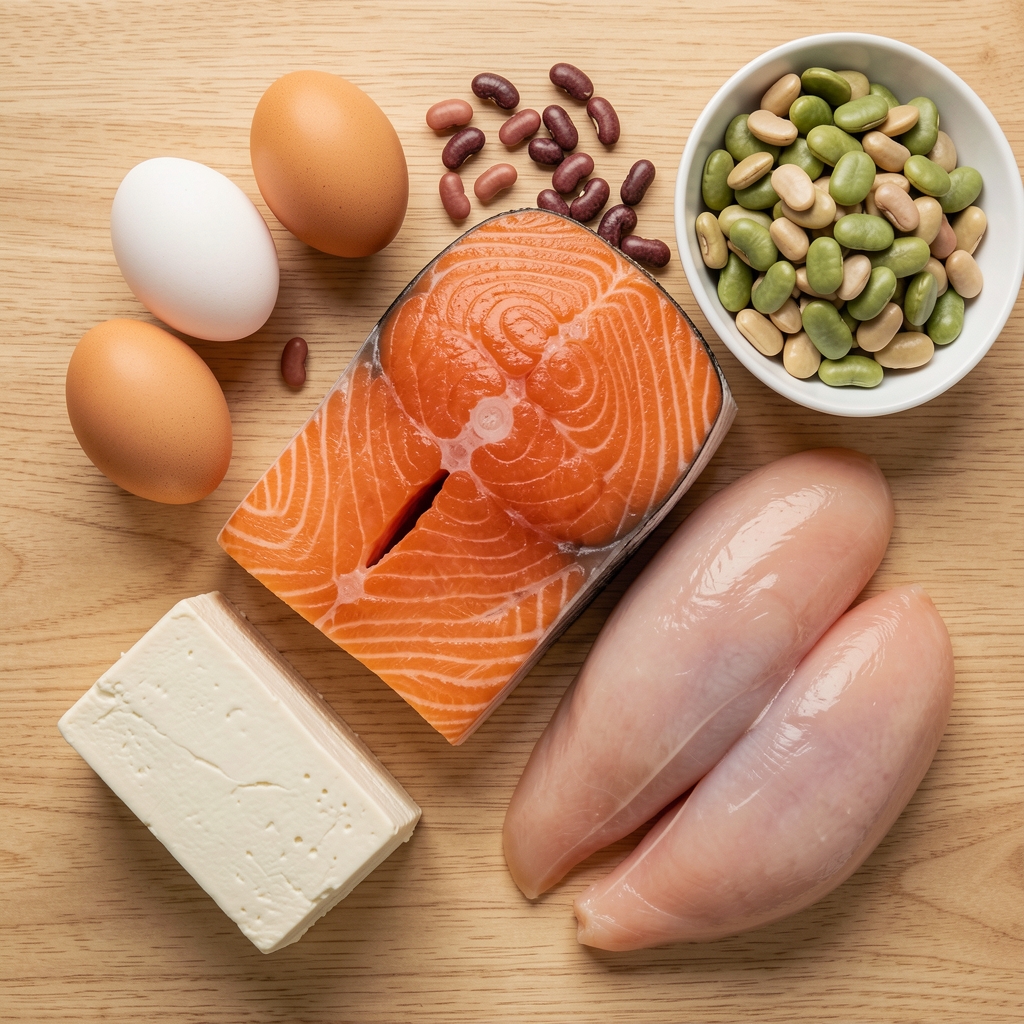
Overhead arrangement of diverse whole-food protein sources including eggs, salmon, legumes, tofu, and chicken breast on a clean wooden surface
Fig. 01 — Protein source catalog, program reference tarlino.info / services
01 Dietary Framework Entries
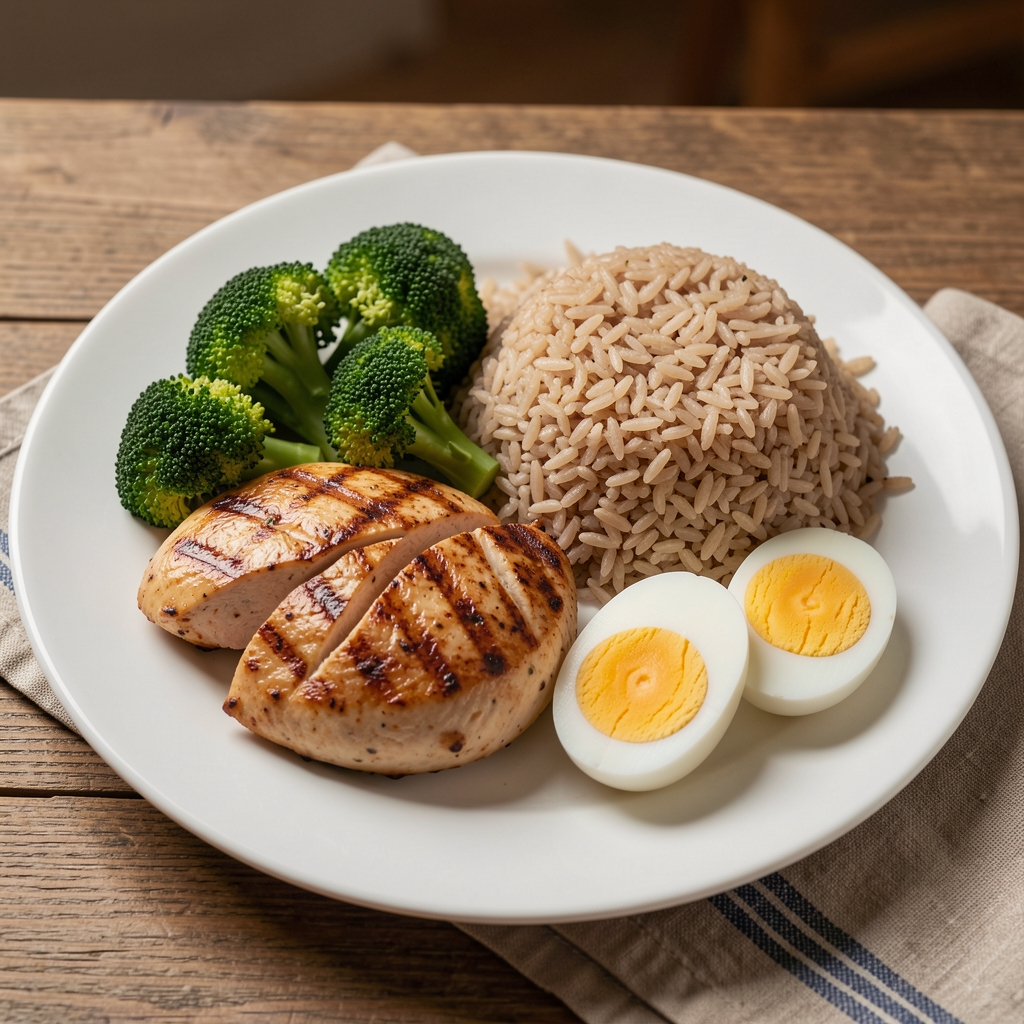
High-protein meal laid out on a plate: grilled chicken breast, brown rice, steamed broccoli, and a boiled egg, portioned for muscle gain
P-01 — Muscle Gain Macronutrient Framework

Muscle Gain Meal Architecture

A high-protein, carbohydrate-timed framework for men pursuing lean mass composition. Protein intake is set at 1.8 to 2.2 grams per kilogram of body weight, distributed across four to five meals. Carbohydrate timing prioritises pre- and post-training windows. Healthy fat ratios hold at 25 to 30 percent of total caloric intake, with documented emphasis on omega-3 and monounsaturated sources.

The framework includes separate composition tables for training days and rest days, with carbohydrate volume adjusted accordingly. Meal preparation guides for each composition are included in the full entry, along with protein source rotation recommendations to maintain amino acid diversity.

High Protein Carb Timing Omega-3 Emphasis 4–5 Meals/Day
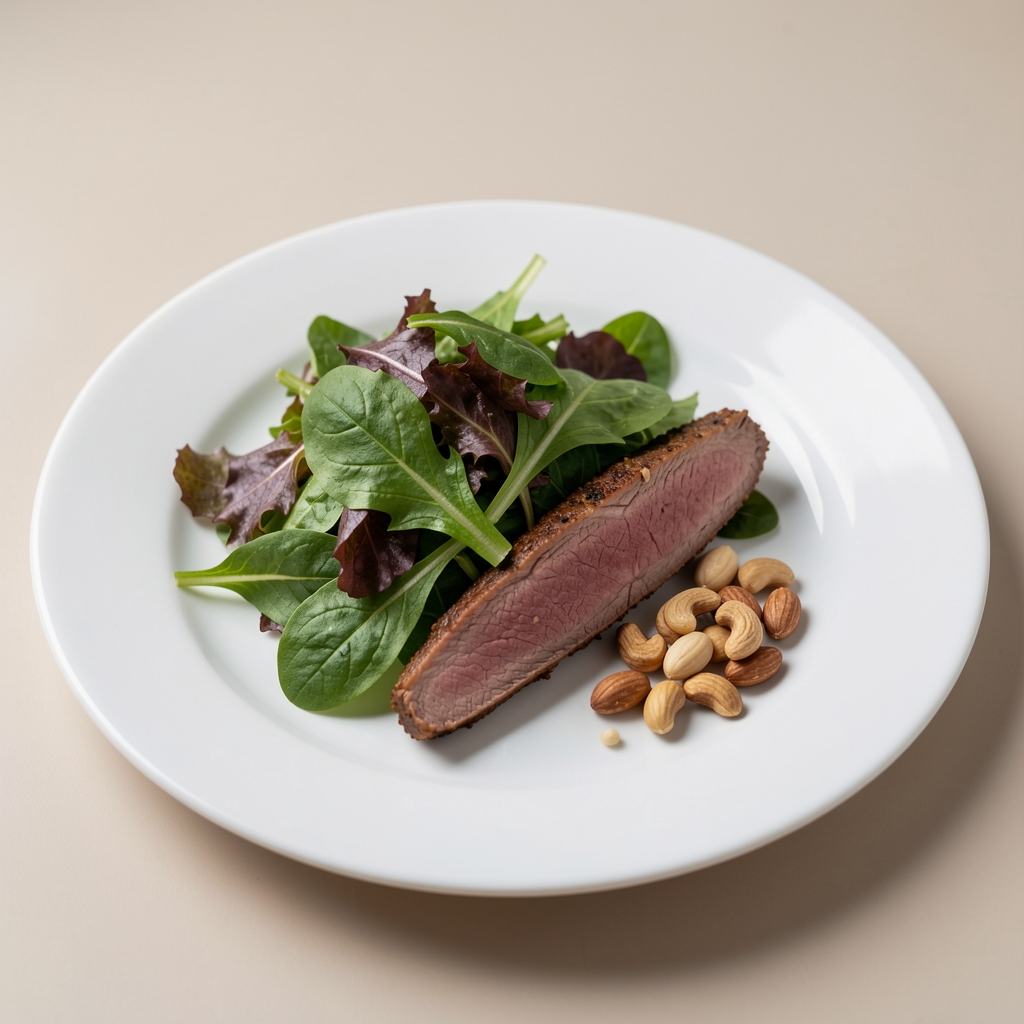
A measured portion of salad greens, lean protein, and a small handful of nuts on a plain white plate against a neutral background
P-02 — Fat Loss Caloric Deficit Structure

Fat Loss Nutrition Protocol

A structured calorie-deficit approach maintaining protein at 1.6 grams per kilogram to preserve lean muscle during a reduction phase. Total daily energy intake is positioned at a 400 to 600 kcal deficit below maintenance. Carbohydrate and fat ratios are calibrated to sustain energy levels during training while sustaining the deficit over a 10 to 16 week period.

Micronutrient coverage is specifically addressed in the deficit context — several vitamins and minerals require conscious supplementation when total caloric intake decreases. Vitamin D3, zinc, and magnesium composition notes are integrated into this entry's daily serving framework.

Calorie Deficit Muscle Preservation Micronutrient-Dense
Clock on a table next to a water glass and two prepared meal containers, representing the visual concept of a structured eating window
P-03 — Fasting Windows Time-Restricted Eating

Fasting Window Meal Composition

Documented meal structures for 16:8 and 18:6 fasting windows, optimised for men over thirty who maintain a consistent training schedule. The full daily protein target is distributed across two to three meals within the eating window. Leucine thresholds per meal are addressed specifically given the reduced meal frequency context.

Gut health composition notes are included — fibre intake, probiotic food sources, and hydration targets for the fasting portion of the day. Sleep-adjacent nutritional timing recommendations for the final meal of the eating window are documented in a supplementary composition note.

16:8 / 18:6 Gut Health Sleep Nutrition
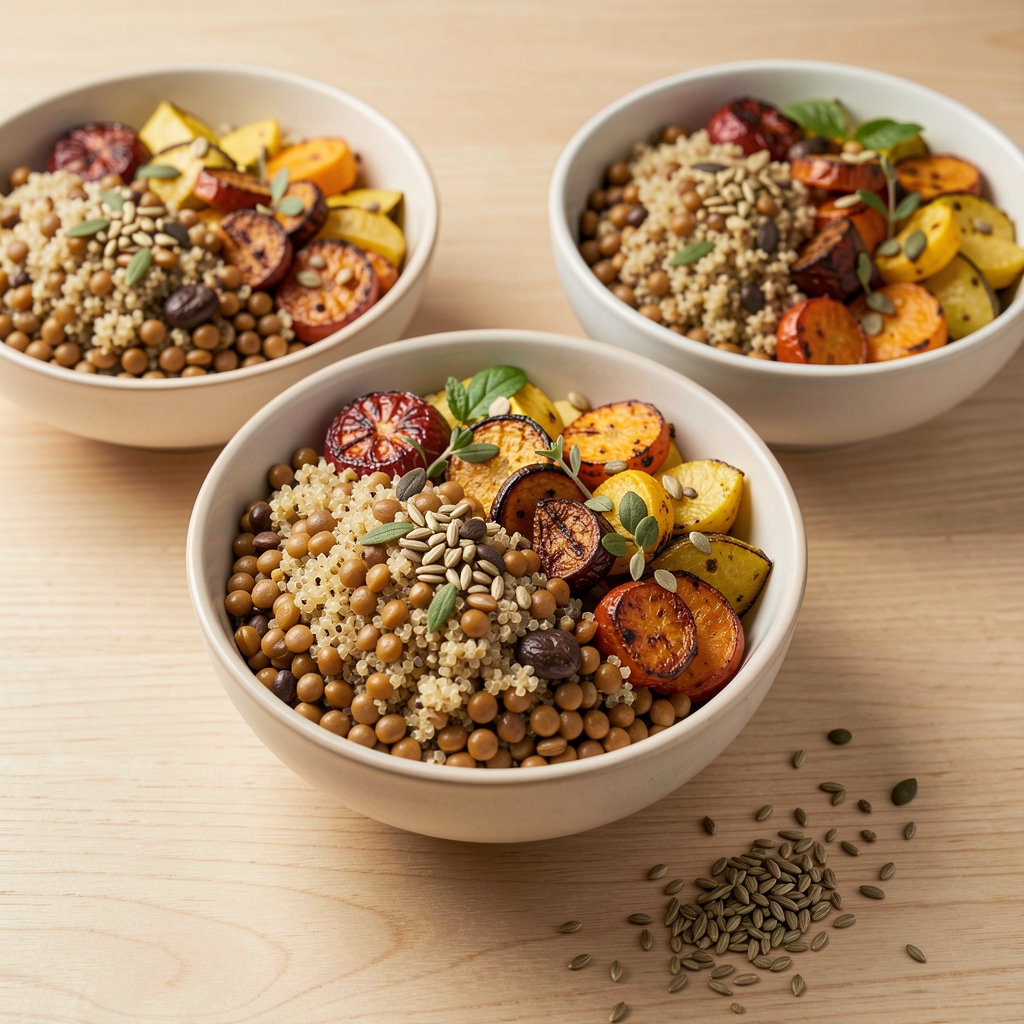
Colorful plant-based meal bowls with lentils, quinoa, roasted vegetables, and seeds arranged on a light wooden table
P-04 — Plant-Based Active Men

Plant-Based Protein Coverage

Complete amino acid coverage from plant-based protein sources for active men. Protein combining strategies, daily intake targets, and absorption rate considerations are documented based on published nutritional research on plant-based athletes. Legumes, whole grains, seeds, and plant-based protein supplements are cross-referenced for leucine concentration and digestibility.

Vitamin B12, iron, and omega-3 sourcing notes are included as nutrients that require particular attention in plant-based dietary frameworks. Each contributes to normal energy production and oxygen transport, respectively, and the composition framework accounts for their absence from animal-derived sources.

Plant Protein Amino Acid Coverage B12 & Iron Notes
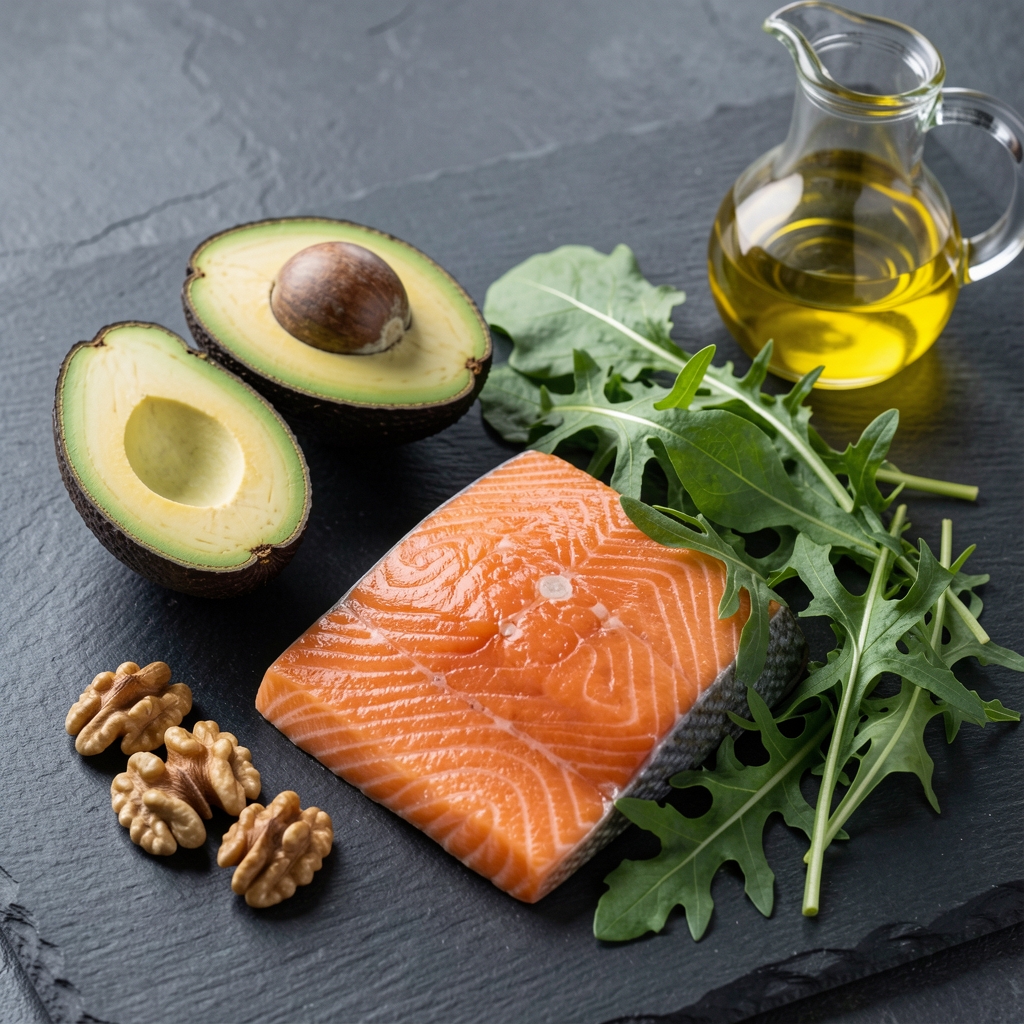
Keto-aligned meal arrangement with avocado halves, salmon fillet, walnuts, olive oil, and leafy greens on a dark slate surface
P-05 — Keto-Adapted Low-Carbohydrate Framework

Keto Diet Composition for Men

A documented low-carbohydrate, high-fat dietary framework adapted for men over thirty seeking sustained metabolic flexibility. Carbohydrate targets are held below 50 grams per day, with fat providing 65 to 75 percent of total caloric intake. Protein is maintained at a moderate level to support lean mass without displacing ketosis.

A four to six week keto-adaptation period is documented, with performance considerations specific to resistance training during this phase. Electrolyte composition — sodium, potassium, magnesium — requires particular attention during the adaptation period, and the entry includes specific sourcing recommendations for each.

Low Carb High Fat Electrolyte Guide
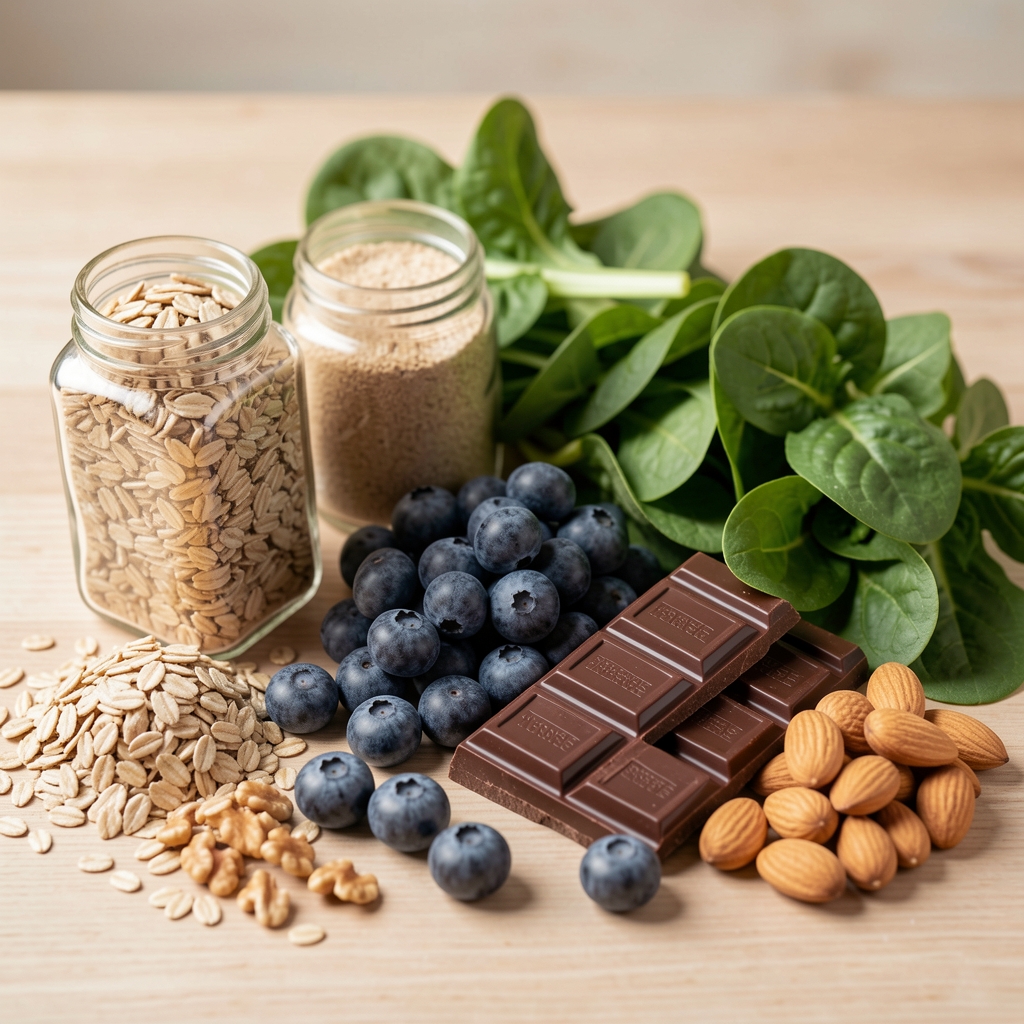
Selection of whole-grain foods, blueberries, dark chocolate, leafy greens, and nuts arranged to represent anti-aging and cognitive nutrition principles
P-06 — Longevity Anti-Aging Nutrition

Anti-Aging Nutrition Composition

A dietary framework centred on cellular support, cognitive function, and inflammation management through nutritional composition. Omega-3 concentrations (EPA and DHA), polyphenol-rich food sources, and selenium-containing ingredients are documented as components with published associations to cell protection and oxidative stress management.

Vitamin C supports the normal function of the immune system and contributes to protection of cells from oxidative stress. Selenium contributes to protection of cells from oxidative stress. Both are flagged in this entry's micronutrient checklist, with sourcing notes drawn from the ingredient traceability documentation in the Tarlino supplement range.

Omega-3 Polyphenols Cellular Support
02 Supplement Ingredient Profiles

Documented ingredient concentration per daily serving.

Ingredient profiles in Tarlino supplements are selected based on published nutritional research and undergo independent batch verification for quality and labelling accuracy. Active ingredients are sourced from documented suppliers, with each batch accompanied by a certificate of composition.

Sourcing prioritises suppliers whose facilities maintain food-grade processing standards. Lot record traceability is maintained for each batch, and third-party verification results are archived with the corresponding supplement entry.
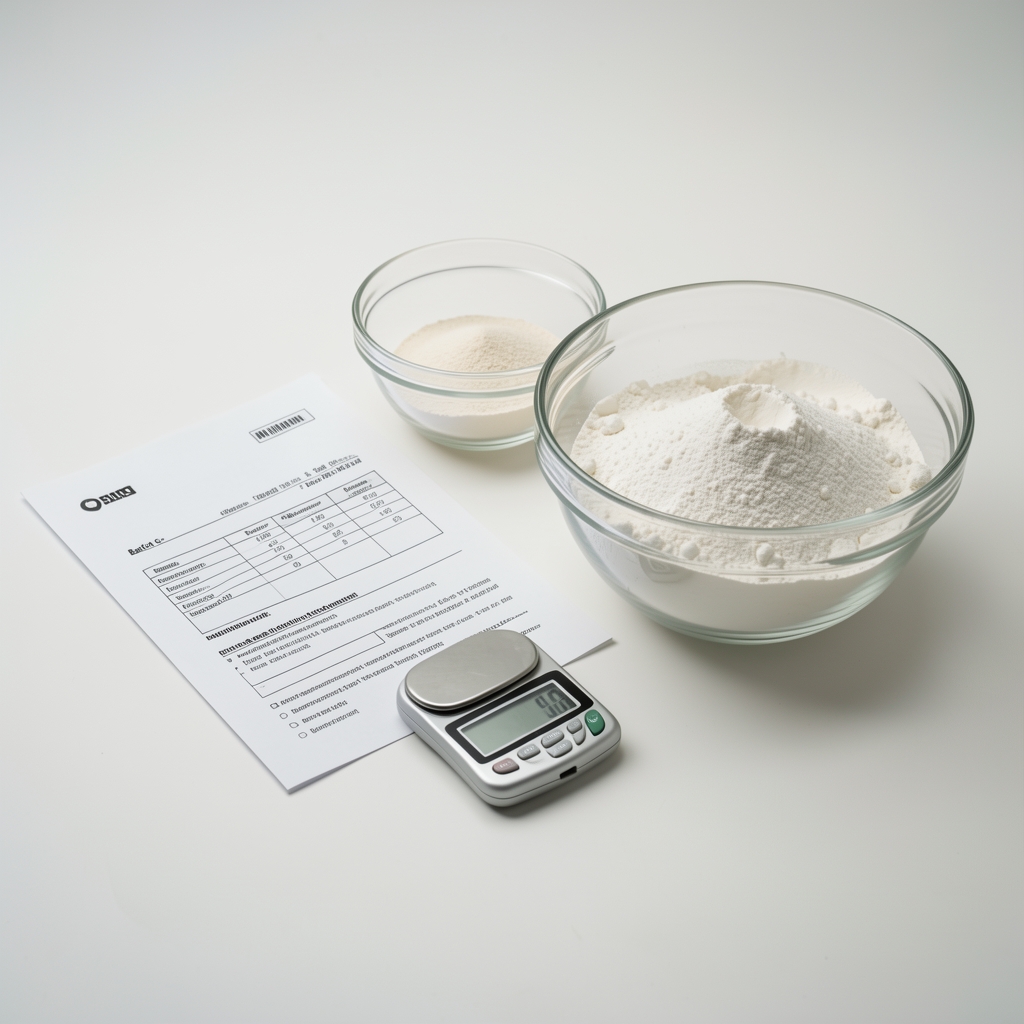
Supplement ingredient measurement tools including a small digital scale, glass bowls with powdered nutrients, and printed batch verification documentation under controlled lighting
Zinc

Supports normal cognitive function and immune health.

Magnesium

Contributes to normal energy metabolism and reduces tiredness.

Vitamin D3

Supports normal function of the immune system.

Omega-3

Documented role in normal heart function and cell membrane composition.

03 Program Inquiries
Each program entry includes a scope definition that identifies the dietary context it was designed for. The primary variable is goal orientation — muscle mass composition, body fat reduction, metabolic flexibility, or sustained athletic performance. Secondary variables include meal frequency tolerance and food group preferences. We recommend speaking with a qualified wellness or nutrition professional before introducing significant dietary changes.
The P-01 and P-03 entries include a cross-reference section specifically for this combination. A 16:8 fasting window with a high-protein eating window is one of the more frequently documented compound protocols for men pursuing simultaneous fat reduction and lean mass maintenance. The combined composition notes address leucine timing and protein distribution in detail.
Each supplement entry specifies which dietary framework context it was formulated to complement. Magnesium, for instance, has elevated relevance in the keto-adapted (P-05) and fasting window (P-03) entries, where dietary sources of this mineral are typically reduced. Vitamin D3 and zinc appear across all frameworks as generally under-represented nutrients in men over thirty dietary patterns.
The archive is updated quarterly. Each entry carries a revision date and version number. When new peer-reviewed research materially affects a documented composition recommendation, an interim update is logged with a supplementary note rather than a full revision. The current archive edition is Revision 09, published February 2026.
Correspondence

Questions about a specific program entry?

Open Correspondence